
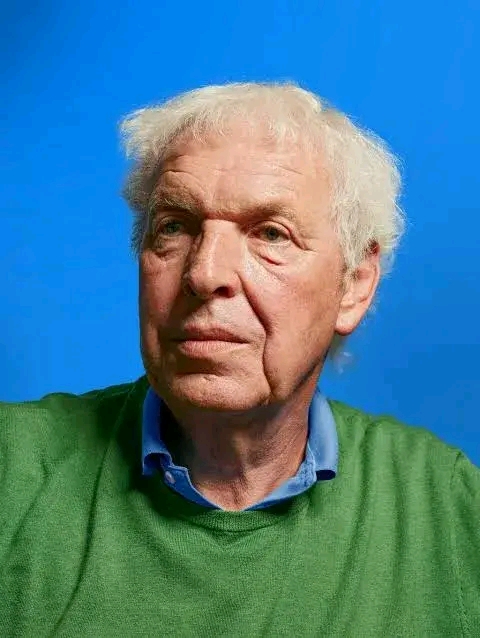
Klaus Toppmöller and the Salary Negotiation Before Contract Renewal
In the world of professional football, few names carry the same level of respect and emotional resonance as Klaus Toppmöller. Known for his tactical brilliance and his ability to connect deeply with players and fans alike, Toppmöller became a symbol of passion, discipline, and footballing artistry during his time at Bayer 04 Leverkusen. As the club stood behind him with gratitude and admiration, news of his demand for a salary increment before renewing his contract stirred both intrigue and debate in the football community.
For a coach who once guided Leverkusen to the heights of European competition — including a memorable Champions League final run — such a demand may seem only natural. Toppmöller’s contributions to the club extended beyond tactics and results; he helped forge an identity. Under his leadership, Leverkusen’s style of play embodied creativity, courage, and collective strength. It is no surprise that fans and management alike view him as a cornerstone of the club’s modern history. Yet, in the modern football business, sentiment often collides with financial reality.
Before the renewal of his contract, Toppmöller reportedly expressed that his salary should better reflect his achievements and the market value of his expertise. From his perspective, the demand was not about greed but recognition. Top managers across Europe — from England to Spain — earn salaries that mirror their ability to deliver consistent performance and global visibility to their clubs. Toppmöller, who elevated Leverkusen from a domestic contender to a European powerhouse, sought parity with his peers.
Behind closed doors, such negotiations are complex. A coach’s salary is not just a number; it represents his perceived worth, authority, and the club’s confidence in his long-term vision. For Leverkusen’s management, the request posed a dilemma. On one hand, Toppmöller’s success and fan connection made him nearly irreplaceable. On the other, the club operates within financial constraints that demand prudence. The decision had to balance loyalty with sustainability.
Fans, however, were unequivocal in their support. The emotional outpouring — candles, scarves, and heartfelt messages — demonstrated that Toppmöller’s impact transcended the pitch. To them, any financial recognition of his work seemed not only justified but overdue. The affection he inspired was rooted in authenticity; he was more than a coach — he was a mentor, a strategist, and a symbol of hope.
In the end, whether or not the salary increment was granted, the episode underscored a truth about modern football: respect and reward are intertwined. Coaches like Toppmöller devote their lives to shaping clubs’ identities, often at personal and professional costs. When they seek improved terms, it is as much about acknowledgment as it is about compensation.
Klaus Toppmöller remains a legend of Leverkusen — a man who built dreams and demanded fair recognition for his part in them. His story reminds us that behind every tactical genius is a professional who deserves respect, both emotionally and financially, for the legacy he leaves behind.
